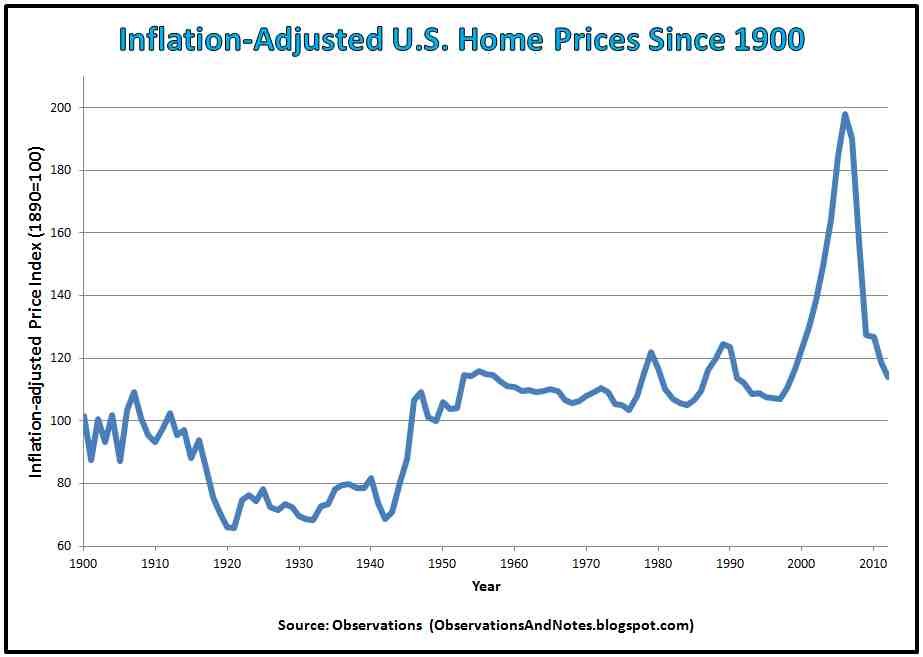
Buying a home is one of the most significant financial decisions you will ever make, and the landscape in which you make that decision is constantly shifting. Over the past few years, we have witnessed dramatic swings in mortgage rates, inventory levels, and buyer demand. For anyone preparing to enter the market, understanding the current real estate market trends is not just helpful—it is essential for making a sound investment and avoiding costly mistakes.
The days of simply scrolling through listings and making an offer are gone. Today’s market demands a strategic approach, whether you are a first-time buyer or a seasoned investor looking to move. Interest rates have stabilized somewhat from their recent peaks, but affordability remains a challenge in many regions. Simultaneously, the supply of homes on the market is slowly improving, though it still lags behind historical averages in most metropolitan areas.
In this guide, we break down the most critical factors shaping the current housing market. From the psychology of sellers to the nuances of financing, we will provide you with a clear, data-driven overview so you can navigate your purchase with confidence. We will also look at how digital tools are changing the way we search for property, ensuring you have the right resources at your disposal.
The Current State of Inventory and Supply
One of the most defining features of the current market is the persistent imbalance between supply and demand. While the pandemic-era frenzy has cooled, we are not seeing a flood of new listings that would create a true buyer’s market. Instead, we are in a period of gradual recalibration.
Nationally, housing starts are ticking up, but construction delays and labor shortages continue to slow the delivery of new homes. This means that in desirable zip codes, you may still encounter multiple offers on well-priced properties. However, the days of bidding wars pushing prices 20% above asking are largely over, except in the most competitive coastal enclaves.
Why Sellers Are Hesitant
Many current homeowners are locked into historically low mortgage rates from previous years. Selling their current home means taking on a new mortgage at a significantly higher rate for their next purchase. This “rate lock-in” effect reduces the number of existing homes hitting the market, keeping inventory tight. As a buyer, this means you might have fewer options than the raw statistics suggest, and you must be prepared to move quickly when a suitable home appears.
Regional Variations
It is crucial to remember that real estate is local. While national headlines focus on averages, your specific city or suburb may tell a different story. Sun Belt states continue to see population inflows, maintaining higher demand, while some Midwest and Northeast markets are seeing price cuts as inventory builds up. Always consult local market reports and track the median days on market to gauge your specific area’s health.
Interest Rates and Affordability Pressures
The cost of borrowing remains the single most influential factor in your monthly payment. After a rapid ascent, mortgage rates have found a new equilibrium, but they are still roughly double what they were in 2021. This shift has fundamentally altered the calculus for many buyers, forcing them to adjust their budget expectations.
For a clearer picture of what you can afford, you need to look beyond the sticker price of the home. A $400,000 home at a 7% interest rate carries a significantly higher monthly payment than the same home at 4%. This is why you are seeing more sellers offering to “buy down” points or provide closing cost credits—they are trying to bridge the affordability gap created by higher financing costs.
If you are serious about purchasing, it is wise to get pre-approved rather than just pre-qualified. A pre-approval involves a hard credit check and verifies your income and assets, giving you a concrete number to work with. This not only strengthens your offer but also helps you avoid the disappointment of falling in love with a home you cannot actually afford.
Technological Shifts in Home Searching
The way buyers find homes has been revolutionized by technology. While the Multiple Listing Service (MLS) remains the backbone of the industry, the front door for most buyers is now a digital portal. High-quality photography, 3D virtual tours, and drone footage are no longer optional extras—they are the standard baseline for any serious listing.
These tools allow you to narrow down your choices efficiently, but they also have a downside. Photos can be misleading, and virtual tours rarely convey the true flow of a home or the subtle noise levels of a neighborhood. You must use these digital resources to filter, but rely on your physical senses to decide. While exploring properties, you might also be juggling other aspects of your life, such as managing a remote business. In that context, learning how to streamline your operations—similar to using CRM software to grow your business—can free up the mental bandwidth needed for house hunting.
Data Accuracy and Search Portals
Be aware that not all listing portals are created equal. Some sites scrape data from multiple sources, which can lead to outdated “on market” statuses or incorrect square footage. It is always best to cross-reference information on the major property portals and confirm details with your real estate agent. The most reliable data usually comes directly from the local MLS, which your agent can access in real-time. Understanding how these systems work will save you from wasted trips to see homes that are already under contract.
Negotiation Tactics That Work Now
Gone are the days of “take it or leave it” offers with no contingencies. The market has shifted enough that buyers have regained some leverage, but you still need to be smart about how you negotiate. A lowball offer might insult a seller who has already priced their home realistically based on recent comps.
Instead of focusing solely on the purchase price, consider the total package. You might offer a slightly higher price in exchange for a longer closing period, allowing the seller time to buy their next home. Alternatively, you could ask for a home warranty or specific repairs identified during the inspection. Sellers are often more flexible on these ancillary terms than on the actual price, so use them to your advantage.
- Get pre-approved: This shows the seller you are a serious, qualified buyer.
- Write a personal letter: In a competitive market, connecting emotionally can sometimes tip the scales.
- Be flexible on closing dates: This can be a huge bargaining chip for sellers with a complex chain.
The Rise of New Construction and Builder Incentives
With the shortage of existing homes, many buyers are turning to new construction. Builders have responded by offering aggressive incentives to move inventory. These can include rate buydowns, free upgrades, or paying for closing costs—incentives that are rarely available from individual homeowners.
However, buying new construction requires a different set of considerations. You are often buying based on floor plans and renderings rather than a finished product. Be wary of “upgrade creep,” where the base price is attractive but essential features like landscaping, blinds, or upgraded flooring are added at a premium. Read the fine print and understand exactly what is included in the base price before you sign.
Leveraging Professional Help and Data Tools
Navigating this complex market without professional guidance is risky. A good buyer’s agent will not only show you homes but will also provide critical insights into neighborhood trends, school districts, and future development plans. They can also help you interpret the data you find online, filtering out the noise to focus on what matters for your specific situation.
Similarly, if you are selling a property to buy another, you need to understand your position. The same market dynamics apply, and a strategic sale is just as important as a strategic purchase. When you are coordinating these moving parts, efficiency is key. Just as you would choose the right digital tools for your search, ensuring your business operations are streamlined can help. Exploring the best CRM systems to choose the ideal solution for your work can give you more time to focus on your property hunt.
Furthermore, do not underestimate the value of a local appraiser or a real estate attorney. While they add to your upfront costs, they protect you from overpaying and from legal issues down the line. Their expertise is invaluable when deciphering complex contracts and ensuring the title is clean.
Conclusion
The real estate market trends of today point toward a more balanced playing field, but it is not without its challenges. The key takeaway is that patience and preparation are your greatest assets. With higher interest rates and tight supply, you cannot afford to be impulsive, but you also cannot afford to wait indefinitely for a perfect scenario that may never arrive.
By understanding the local inventory, securing your financing early, and leveraging both professional advice and digital tools, you can position yourself to make a smart purchase. The market will continue to fluctuate, but a well-informed buyer who understands the fundamentals will always be in a stronger position to secure their dream home.
Frequently Asked Questions (FAQ)
Is it a good time to buy a house right now?
It depends on your personal finances and local market conditions. With rates higher than recent years, buying power is reduced, but less competition means more room to negotiate. If you plan to stay in the home for at least five years and can comfortably afford the monthly payments, it can still be a good time to buy.
How much do I need for a down payment in today's market?
While 20% is the traditional standard to avoid PMI, many programs allow for 3% to 5% down for first-time buyers. FHA loans require as little as 3.5%. Your specific requirement depends on your credit score, loan type, and lender.
Are home prices expected to drop significantly?
Most experts predict a flattening of prices rather than a major crash. Because inventory remains low and construction costs are high, prices are likely to stabilize or see modest corrections in specific overvalued areas, rather than a nationwide collapse.
What is a rate buydown and is it worth it?
A buydown is when you pay points upfront to lower your mortgage interest rate for the first few years of the loan. It can be worth it if the seller or builder is paying for it, as it lowers your initial payments, but you should analyze the break-even point to see if it makes sense long-term.
How important is a home inspection if the market is competitive?
It is essential. Waiving the inspection to make your offer look better is a risky gamble that could lead to thousands of dollars in unexpected repairs. At minimum, you should request an informational inspection, even if you don't ask the seller to make repairs.
Should I use an online real estate portal or a local agent?
Use both. Portals are excellent for searching and getting a feel for the market, but a local agent provides access to off-market listings, accurate MLS data, and negotiation expertise that algorithms cannot replicate. They are crucial for navigating the complexities of a contract.